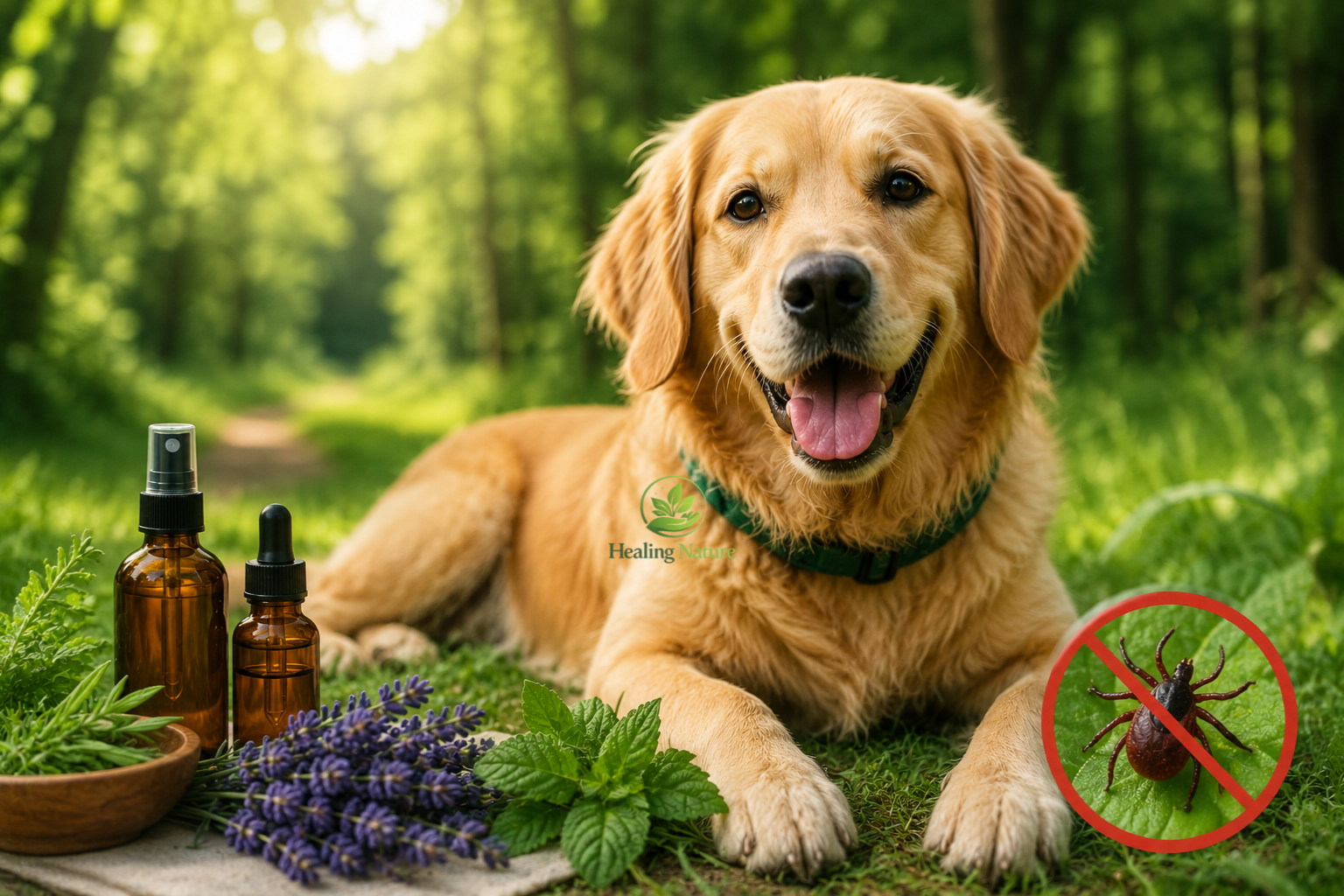
This Summer Summer is the perfect time for outdoor adventures, long walks, hiking trails, and spending time in nature with our dogs. Sorry to say, but warmer weather also means more ticks, those itty-bitty pests that can carry diseases that affect people and pets.
Chemical repellents are readily available, but many people are looking for gentle, natural ways to help keep ticks at bay during the summer months. Fortunately, there are a number of practical and natural strategies that can help reduce tick exposure while still allowing you and your pets to enjoy the outdoors safely.
Why are ticks more active in summer
Ticks thrive in warm humid environments and are commonly found in:
High grass Shrub and forested areas
Piles of leaves
Gardens Gone Wild
Outdoor areas
They sit on vegetation and latch on when a person or animal brushes past. Dogs are particularly vulnerable because they are often close to the ground and are frequently taken to grassy areas.
Natural Ways to Help Avoid Tick Bites
1. Use Natural Essential Oil Sprays
Certain essential oils are thought to naturally discourage ticks due to their pungent aroma.
Typical choices are:
Cedarwood oil
Lavender oil.
Lemon grass oil
Eucalyptus Essential Oil
Oil of geranium
Peppermint oil
You can make a simple natural spray for clothing or outdoor gear by mixing:
1 cup of water
2 Tbs. witch hazel or apple cider vinegar
10-15 drops essential oil
Shake well before using.
Important: DO NOT use essential oils undiluted on the skin or on dogs. While most oils are safe for pets, some can be toxic, especially to cats. Always do your research and use only pet safe oils on animals but check with a vet first.
2. Dogs
Apple Cider Vinegar
Many holistic pet owners incorporate diluted apple cider vinegar into a summer tick prevention routine.
Some people: Add a little to drinking water
Spray a diluted solution onto the coat
Clean paws and fur after walks
Its potent scent may help to naturally repel ticks, too.
Note: Always dilute properly and avoid contact with sensitive skin areas or open wounds.
3. Maintain Short Grass & Clean Gardens
One of the best natural methods is to do simple yard maintenance. Ticks prefer damp, shady places.
Ticks habitats can be reduced by:
Keeping grass trimmed short
Leaf litter clean-up
Weed and brush clearing
Let sunlight into shaded areas
4. Check dogs and people following outdoor activities
Daily tick checks are very important in the summer months. After walks or playtime outside:
Check behind the ears
Collar
Around and between the toes
Under the legs
Near the tail
On the scalp and seams of clothing
The sooner a tick is removed, the less risk for disease transfer.
5. Plants That Repel Ticks Organically
Some plants are said to be natural repellents of ticks and other insects. Possible additions to the garden might be:
Lavender Rosemary, Mint Lemongrass, Sage and Marigolds
These plants can also help the outdoor spaces smell fresh and inviting.
6. Wash Bedding Often
Ticks can sometimes be brought indoors on blankets, clothing, or pet bedding. In summer:
Wash dog bedding frequently
Vacuum carpets and furniture often
Wash your outdoor clothes after hiking or camping.
Cleaning indoor spaces can help reduce hidden pests.
7. Coconut Oil for Coat
Some pet owners rub a small amount of coconut oil on a dog’s coat because it contains natural ingredients that may repel pests. Coconut oil can also help to moisturize dry skin and improve coat condition. Use sparingly to avoid greasy coat.
8. Stay Away from Peak Tick Areas
If you can, avoid: Tall grass Thick bush Forest edges left wild Walk dogs on clear walking paths and in open sunny areas or hike. Signs of tick-borne illness It’s important to watch for symptoms after a tick bite.
In Dogs:
Lethargy
Fever
Limping
Lack of appetite
Joint swelling.
In People:
Fever
Rash
Tiredness
Muscle pain
Headache
If symptoms occur after tick exposure seek medical or veterinary advice.
A Common-Sense Approach to Tick Prevention
Natural prevention methods may be helpful, especially when used in conjunction with good hygiene, regular checks and environmental control. In high risk areas with heavy tick populations, some pets may still need veterinarian approved protection. All dogs and all environments are different so it’s important to learn the right balance of natural care and effective protection.
Summer is a time for adventure, relaxation and enjoying nature, not worrying about ticks. Natural repellents, proper yard care, routine checks and healthy habits can help decrease the chance of ticks biting your family and your dogs. A little bit of prevention can go a long way toward making outdoor adventures, safer and more enjoyable all season long.
Leave a Reply