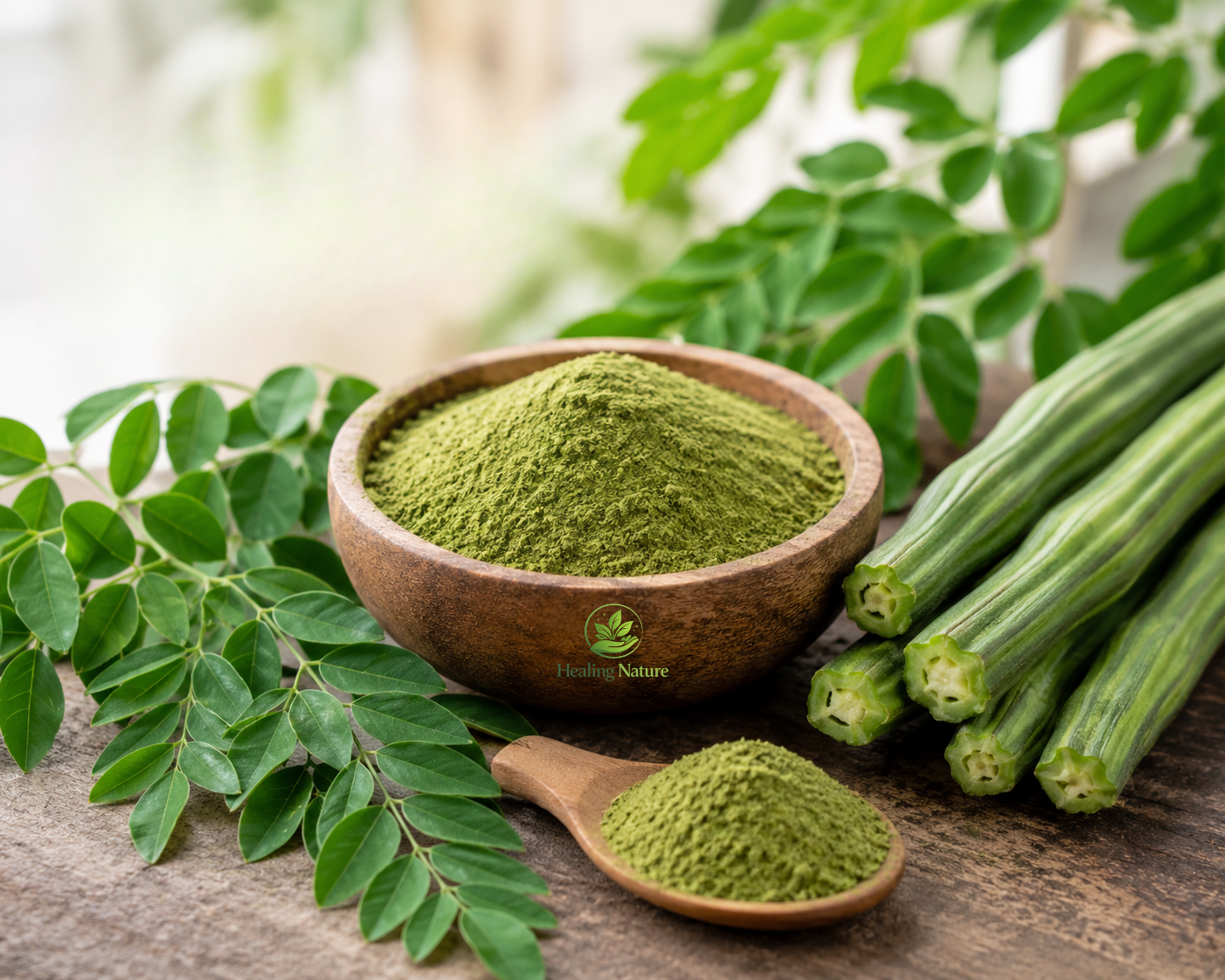
Moringa, referred to as the “Miracle Tree,” is gaining popularity due to its incredible health benefits and versatility. Moringa oleifera is a plant native to parts of Africa and Asia, and has been used for centuries for its medicinal properties and nutritional value. This is a tree loaded with nutrients, antioxidants and bioactive compounds, from its leaves to its seeds. In this article, we’re going to explore the many benefits of Moringa, its many uses, and why you should make it a staple in your daily routine.
Moringa Nutritional Value
Moringa is a nutritional powerhouse. The leaves alone contain a wealth of:
Vitamins A, B1 (thiamin), B2 (riboflavin), B3 (niacin), B6, C, E, and folate.
Minerals: Calcium, iron, magnesium, phosphorus, potassium and zinc.
Antioxidants: Beta-carotene, chlorogenic acid, quercetin.
Protein: Supplies the nine essential amino acids.
Health Benefits of Moringa
Rich with Antioxidants
Moringa contains plenty of antioxidants that help combat oxidative stress and reduce inflammation. Moringa also contains antioxidants such as quercetin and chlorogenic acid that help lower blood pressure and stabilize blood sugar levels, making it a great addition for those who have diabetes or cardiovascular issues.
Anti-inflammatory Action
Chronic inflammation is associated with a number of health problems such as heart disease and cancer. Moringa contains high levels of isothiocyanates, which have demonstrated anti-inflammatory properties. Regular consumption can help reduce inflammation in the body and bring relief from conditions like arthritis and other inflammatory diseases.
Boosts Heart Health
Moringa is an excellent food for heart health due to its high antioxidant content and its ability to lower cholesterol levels. Studies have shown that Moringa may help to lower bad cholesterol (LDL) and increase good cholesterol (HDL), thus reducing the risk of heart disease.
Helps to manage blood sugar levels
Moringa can be especially helpful for people with diabetes. Compounds in Moringa can help control blood sugar levels by increasing insulin action. One study found that Moringa leaf powder can reduce blood sugar levels by as much as 13.5%.
Increases Immunity
Moringa is rich in vitamin C and antioxidants, which increase the immune system and protect the body against infection. It helps fight off different pathogens with its antibacterial and antimicrobial properties, thus boosting immune defense even further.
Improved Skin and Hair Health
Moringa is rich in vitamins A and E, which help to promote healthy skin and hair by fighting free radicals and preventing oxidative stress. Moringa seed oil, also called ben oil, is used in cosmetics for its hydrating and anti-aging properties. It’s good for skin elasticity, reducing wrinkles and acne.
Boosts Digestion
Moringa leaves are high in fiber which aids in digestion and prevents constipation and promotes a healthy gut. The plant also has natural antibacterial properties which keep harmful bacteria away from the digestive tract.
Encourages Healthy Bones
Moringa is full of calcium and phosphorus which are necessary for healthy bones. It also contains anti-inflammatory compounds that can help with conditions like arthritis, making it a great natural supplement for keeping strong and healthy bones.
Helps Control Weight
Moringa can help manage weight by controlling fat formation and increasing fat breakdown. The high fiber content also helps you feel full longer, which can help reduce calorie intake and support weight loss goals.
Improves Mental Clarity and Mood
Moringa can be a good source of iron and vitamins that may support mental clarity, energy levels and mood. It has compounds that support neurotransmitter function, and could help in relieving the symptoms of depression and anxiety.
Moringa Applications
Moringa is very versatile and can be eaten in a variety of ways:
Leaves: Fresh or dried leaves can be used in salads, soups and stews. Dried leaves can be ground into a powder and used in smoothies, teas and other dishes.
Seeds: Moringa seeds may be eaten raw or cooked. They are also used for oil extraction for cooking and cosmetics.
Pods: Known as drumsticks, Moringa pods can be cooked and eaten like green beans.
Powder: The most common form in health food stores is Moringa powder and you can easily add it to different recipes or take it as a supplement.
Oil: Moringa oil is popular in skin care for its moisturizing and anti-aging properties.
How To Include Moringa In Your Diet
Smoothies and Juices Add a teaspoon of Moringa powder to your morning smoothie or juice for an easy nutrient boost.
Teas: Brew dried Moringa leaves for an invigorating tea with health benefits.
Soups and Stews: Incorporate fresh or dried Moringa leaves into soups and stews for extra nutrition.
Salads: Add fresh leaves to your salad or sprinkle Moringa powder on your salad for a healthy twist.
Seasonings: Moringa powder can be used as a seasoning in different kinds of meals to improve flavor and nutrition.
Things to Consider and Precautions
Moringa has many health benefits, but it is best to consume it in moderation. High doses may cause digestive problems and some parts of the plant, such as the roots, are poisonous. Pregnant women should check with their healthcare provider before taking Moringa, because it can stimulate the uterus.
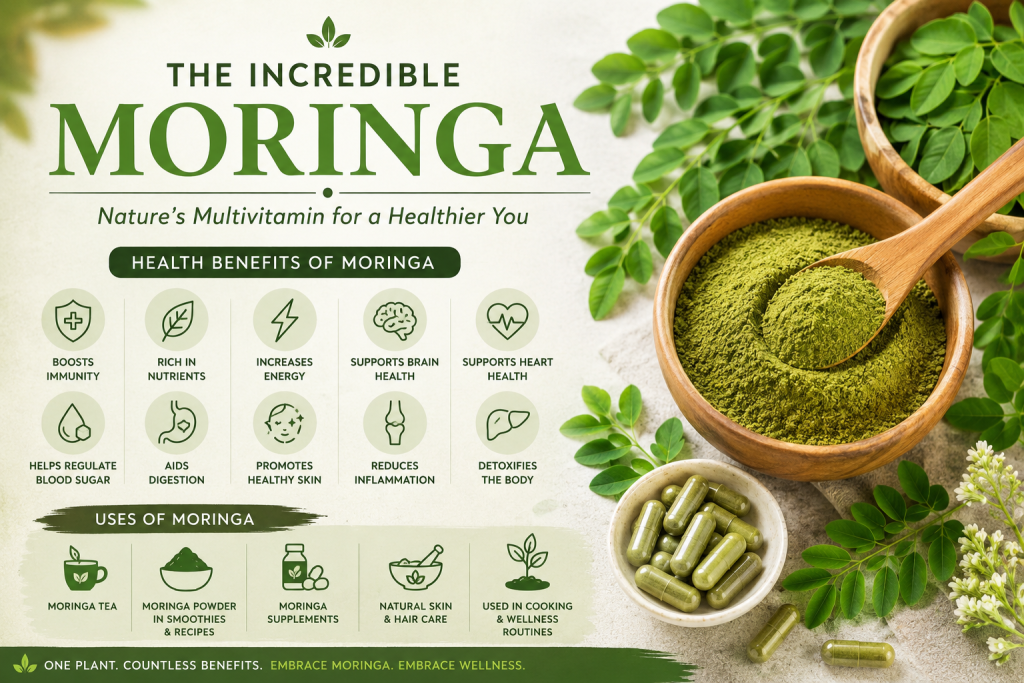
Moringa is a true miracle plant with an impressive array of health benefits. If you want to boost your immune system, support heart health, or improve skin and hair, Moringa has something to offer. Its versatility in the kitchen, and easy availability make it a valuable addition to any health-conscious diet. Harness the power of Moringa and take a step towards a healthier, more vibrant you.
Adding Moringa to your daily routine offers a natural, nutrient-rich solution to a number of common health problems.
Leave a Reply